
Simply attach clear scan or pictures of the pages required for review.

Hungarian Translation Services
The best way to get accurate, culturally relevant translations is to hire a professional translator who is a native speaker of the language you are translating.
 Hungarian translators - Our NAATI Hungarian translators provide fast and accurate Hungarian translation services.
NAATI Hungarian translator - All Hungarian translation services we provide are prepared by experienced NAATI Hungarian translators.
Hungarian translator service - Melbourne Translation Services Hungarian translators deliver Hungarian document translation with a 100% acceptance rate for migration and legal purposes in Australia.
NAATI Hungarian Translator
- Fast Hungarian translation service
- Local translation company for NAATI translation services
- NAATI certified Hungarian translation delivered in Melbourne and Australia-Wide
- Experienced Hungarian translators with more than 10 years' experience
Hungarian Business Translation Services
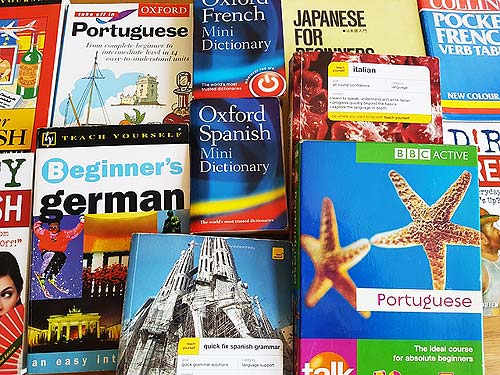 Get expert help in Melbourne for Hungarian translation and layout of brochures, labels, namecards, flyers and packaging material.
Melbourne Translation Services's experience in assisting companies with Hungarian translation and typeset ensures timely the delivery of your brochures and marketing material for print.
The Hungarian Language
The first printed Hungarian book was published in Kraków in 1533, by Benedek Komjáti. The work's title is A Szent Pál levelei magyar nyelven (In original spelling: Az zenth Paal leueley magyar nyeluen), i.e. The letters of Saint Paul in the Hungarian language. In the 17th century, the language was already very similar to its present-day form, although two of the past tenses were still used. German, Italian and French loans also appeared in the language by these years. Further Turkish words were borrowed during the Ottoman rule of part of Hungary between 1541 and 1699.
The 19th and 20th centuries saw further standardization of the language, and differences between the mutually comprehensible dialects gradually lessened. In 1920, by signing the Treaty of Trianon, Hungary lost 71% of its territory, and along with these, 33% of the ethnic Hungarian population. Today, the language is official in Hungary, and regionally also in Romania, in Slovakia, and in Serbia.
Our translators in Melbourne collaborate and work with colleagues from Sydney Translation Services to delivery fast NAATI translation services.
NAATI Translation Services in Melbourne
Passport Translation BirthCertificate Marriage Certificate No-Criminal Record Death Certificate Divorce Certificate Degree Certificate Licence Translation Import Documents
Our Valued Clients
