Simply attach clear scan or pictures of the pages required for review.
Urdu Translation Services
The best way to get accurate, culturally relevant translations is to hire a professional translator who is a native speaker of the language you are translating.
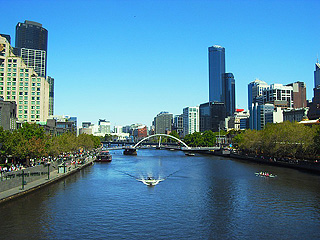 Urdu translators - Our NAATI Urdu translators provide fast and accurate Urdu translation services.
NAATI Urdu translator - All Urdu translation services we provide are prepared by experienced NAATI Urdu translators.
Urdu translator service - Melbourne Translation Services Urdu translators deliver Urdu document translation with a 100% acceptance rate for migration and legal purposes in Australia.
NAATI Urdu Translator
- Fast Urdu translation service
- Local translation company for NAATI translation services
- NAATI certified Urdu translation delivered in Melbourne and Australia-Wide
- Experienced Urdu translators with more than 10 years' experience
Urdu Business Translation Services
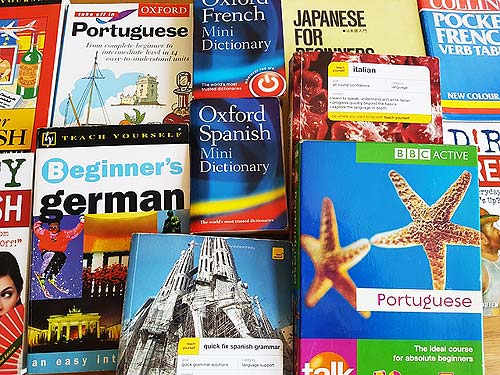 Get expert help in Melbourne for Urdu translation and layout of brochures, labels, namecards, flyers and packaging material.
Melbourne Translation Services's experience in assisting companies with Urdu translation and typeset ensures timely the delivery of your brochures and marketing material for print.
The Urdu Language
The word Urdu is derived from the same Turkish word that has given English horde. Urdu arose in the contact situation which developed from the invasions of the Indian subcontinent by Turkic dynasties from the 11th century onwards, first as Sultan Mahmud of the Ghaznavid empire conquered Punjab in the early 11th century, then when the Ghurids invaded northern India in the 12th century, and most decisively with the establishment of the Delhi Sultanate.
The language went by several names over the years: Hindawi or Hindī, "[language] of India"; Dehlavi "of Delhi"; Hindustani, "of Hindustan"; and Zaban-e-Urdu, "the language of the [army] camp", from which came the current name of Urdu around the year 1800.
When Wali Mohammed Wali arrived in Delhi, he established Hindustani with a light smattering of Persian words, a register called Rekhta, for poetry; previously the language of poetry had been Persian. When the Delhi Sultanate expanded south to the Deccan Plateau, they carried their literary language with them, and it was influenced there by more southerly languages, producing the Dakhini dialect of Urdu. During this time Hindustani was the language of both Hindus and Muslims. The communal nature of the language lasted until it replaced Persian as the official language in 1837 and was made coofficial along with English in the British Raj. This triggered a Hindu backlash in northwestern India, which argued that the language should be written in the native Devanagari script. This "Hindi" replaced traditional Urdu as the official register of Bihar in 1881, establishing a sectarian divide of "Urdu" for Muslims and "Hindi" for Hindus, a divide that was formalized with the division of India and Pakistan after independence from the British, though there are Hindu poets who continue to write in Urdu to this day.
Although there have been attempts to purge Urdu and Hindi, respectively, of their Sanskrit and Persian words, and new vocabulary draws primarily from Persian and Arabic for Urdu and Sanskrit for Hindi, this has primarily affected academic and literary vocabulary, and both national standards remain heavily influenced by both Persian and Sanskrit.
Our translators in Melbourne collaborate and work with colleagues from Sydney Translation Services to delivery fast NAATI translation services.
NAATI Translation Services in Melbourne
Passport Translation BirthCertificate Marriage Certificate No-Criminal Record Death Certificate Divorce Certificate Degree Certificate Licence Translation Import Documents
Our Valued Clients
