Simply attach clear scan or pictures of the pages required for review.
Slovene Translation Services
The best way to get accurate, culturally relevant translations is to hire a professional translator who is a native speaker of the language you are translating.
 Slovene translators - Our NAATI Slovene translators provide fast and accurate Slovene translation services.
NAATI Slovene translator - All Slovene translation services we provide are prepared by experienced NAATI Slovene translators.
Slovene translator service - Melbourne Translation Services Slovene translators deliver Slovene document translation with a 100% acceptance rate for migration and legal purposes in Australia.
NAATI Slovene Translator
- Fast Slovene translation service
- Local translation company for NAATI translation services
- NAATI certified Slovene translation delivered in Melbourne and Australia-Wide
- Experienced Slovene translators with more than 10 years' experience
Slovene Business Translation Services
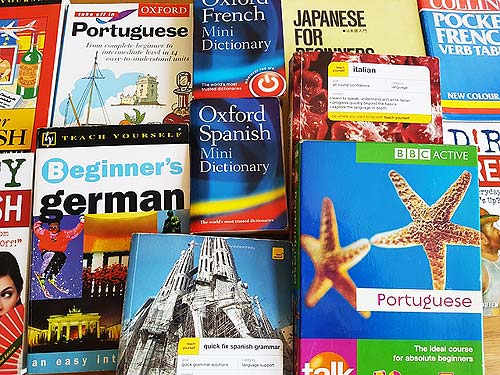 Get expert help in Melbourne for Slovene translation and layout of brochures, labels, namecards, flyers and packaging material.
Melbourne Translation Services's experience in assisting companies with Slovene translation and typeset ensures timely the delivery of your brochures and marketing material for print.
The Slovene Language
Standard Slovene is the national standard language that evolved on the basis of Central Slovene dialects in the 18th century and consolidated itself through the 19th and 20th centuries. Slovene, like most other European languages, has a T-V distinction, or two forms of 'you' for formal and informal situations. Although informal address using the 2nd person singular ti form (known as tikanje) is officially limited to friends and family, talk among children, and addressing animals, it is increasingly used among the middle generation to signal a relaxed attitude or lifestyle instead of its polite or formal counterpart using the 2nd person plural vi form (known as vikanje).
- Vi ga niste videli. ('You did not see him': both the auxiliary verb niste and the participle videli are plural masculine. Standard usage.)
- Vi ga niste videl/videla. ('You did not see him': the auxiliary verb niste is plural but the participle videl/videla is singular masculine/feminine. Nonstandard usage.)
The use of nonstandard forms (polvikanje) might be frowned upon by many people and should never be used in a formal setting.
The use of the 3rd person plural oni ('they') form (known as onikanje in both direct address and indirect reference) as an ultra-polite form is now archaic or dialectal; it is associated with servant-master relationships in older literature, the child-parent relationship in certain conservative rural communities, and parishioner-priest relationships.
Our translators in Melbourne collaborate and work with colleagues from Sydney Translation Services to delivery fast NAATI translation services.
NAATI Translation Services in Melbourne
Passport Translation BirthCertificate Marriage Certificate No-Criminal Record Death Certificate Divorce Certificate Degree Certificate Licence Translation Import Documents
Our Valued Clients
